
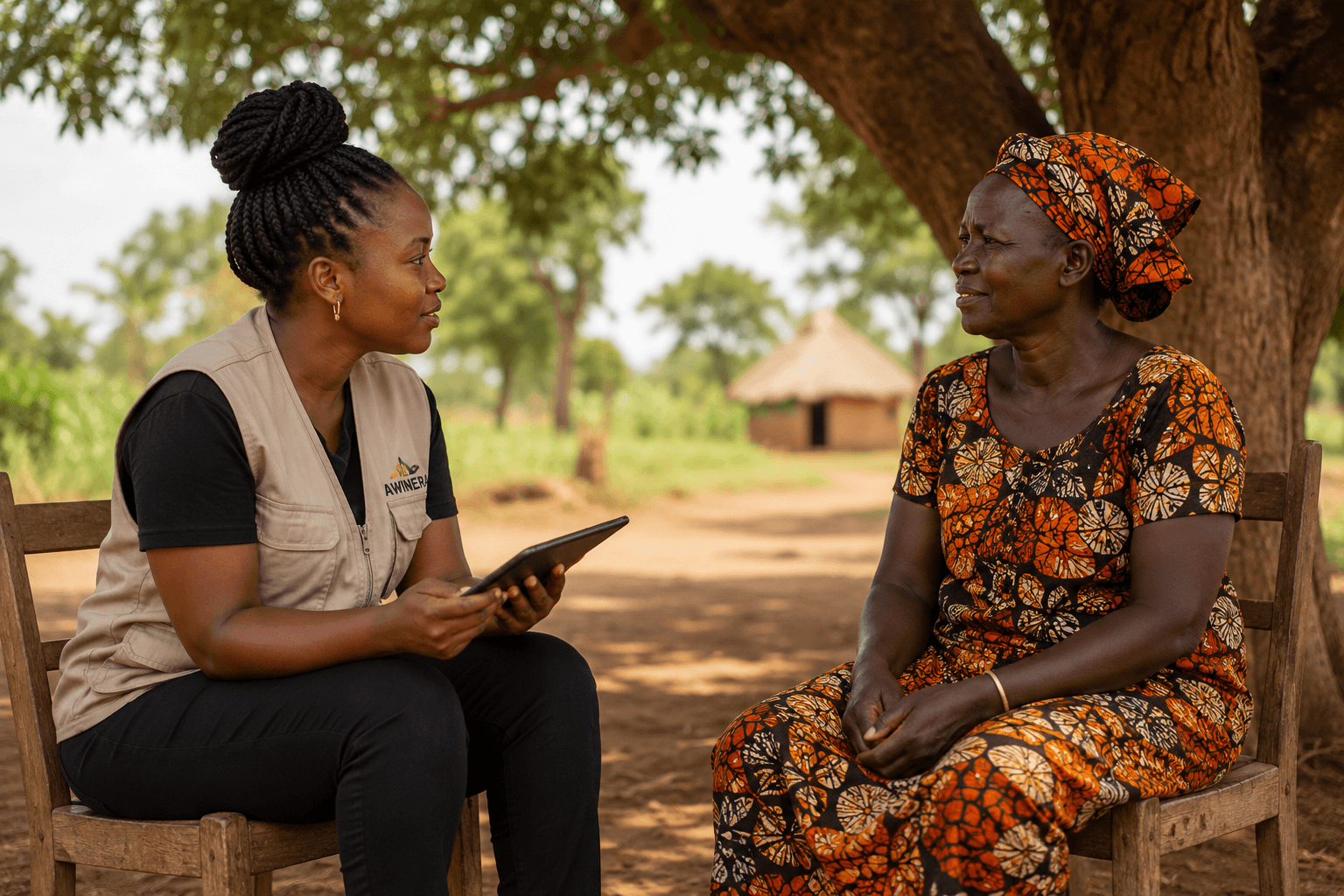

Value Chain Deep Dive: Arabica Coffee and Soybean in Uganda
Overview
In-depth study of the Arabica coffee and soybean value chains to identify productivity gaps and intervention points.
Research Objectives
Conduct a comprehensive value chain analysis of Arabica coffee and soybean in Uganda
Map actors, functions, relationships, and governance structures across both value chains
Identify constraints and opportunities for smallholder integration and income improvement
Analyse gender roles and women's participation across value chain nodes
Methodology
Value chain mapping combined actor surveys at each node — from input suppliers and producers to processors, exporters, and buyers — with key informant interviews and focus group discussions. Gender analysis followed a feminist political economy framework, examining power dynamics and control over resources and income. Secondary data from Uganda Coffee Development Authority and Uganda Oilseeds Producers and Processors Association supplemented primary fieldwork.
Key Findings
Arabica coffee showed strong export market potential but smallholder integration was constrained by quality standards, limited post-harvest processing capacity, and weak linkages to specialty buyers. Soybean value chains demonstrated more inclusive participation but faced price volatility and aflatoxin contamination risks. Women dominated trading at local market levels but were largely excluded from higher-value processing and export stages. Recommendations focused on strengthening producer organisation capacity, improving post-harvest infrastructure, and developing gender-intentional market linkage programmes.
Request the full research reportThematic Areas
More Projects
View all →Leveraging Contract Farming to Improve Refugee Resilience in Uganda
AWinERA Africa Ltd
Evaluation of NUSAF3 Economic Inclusion Interventions
NUSAF, World Bank
Gamified Savings as a Problem Gambling Intervention
Network of Impact Evaluation Researchers in Africa (NIERA)