
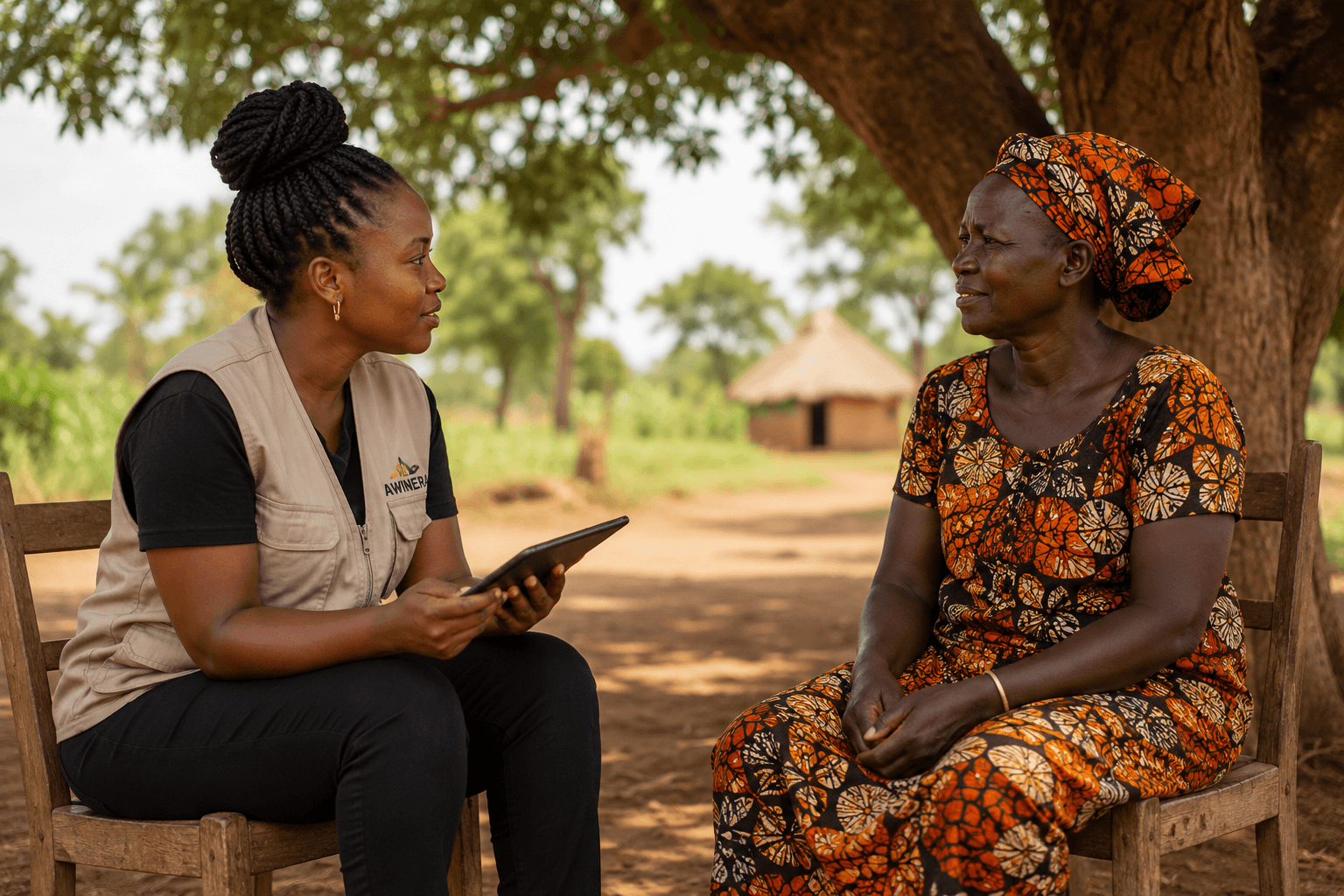

Evaluation of NUSAF3 Economic Inclusion Interventions
Overview
Study assessing implementation processes, cost-effectiveness, and impacts of NUSAF3's livelihood support programs.
Research Objectives
Evaluate the effectiveness of NUSAF3 economic inclusion interventions in improving household welfare outcomes in Northern Uganda
Assess whether targeting of the most vulnerable households was effective and equitable
Measure changes in income, assets, savings, and livelihood diversification among beneficiaries
Examine the sustainability of livelihood improvements after programme exit and identify factors supporting durable outcomes
Methodology
The evaluation used a quasi-experimental design with propensity score matching to construct a comparison group from non-beneficiary households in similar communities. Panel household surveys at baseline, midline, and endline tracked changes across welfare indicators. Qualitative research explored programme experience, community dynamics, and sustainability mechanisms.
Key Findings
NUSAF3 economic inclusion interventions produced significant improvements in household income and asset ownership among beneficiaries. Savings group participation was strongly associated with sustained income gains post-programme. Women beneficiaries showed particularly strong outcomes in business development and financial inclusion. Recommendations for graduation criteria and exit support mechanisms were incorporated into the programme's final phase design.
Request the full research reportThematic Areas
More Projects
View all →Leveraging Contract Farming to Improve Refugee Resilience in Uganda
AWinERA Africa Ltd
Gamified Savings as a Problem Gambling Intervention
Network of Impact Evaluation Researchers in Africa (NIERA)
Integrated Final Evaluation and Feasibility Study for Multi-Actor Partnership (MAP) Project
Soroti Catholic Diocese Integrated Development Organisation (SOCADIDO)