

Validating Resilience Metrics for Food Security and Women's Dietary Diversity During COVID-19 in Uganda
Overview
Empirical validation of key resilience indicators affecting food security and women's nutrition during the pandemic period.
Research Objectives
Validate resilience measurement tools for food security among smallholder households in Uganda during the COVID-19 pandemic
Assess changes in women's dietary diversity and its determinants during the COVID-19 crisis period
Test the psychometric properties of resilience index components in a crisis context
Provide methodological recommendations for resilience measurement in fragile and shock-affected settings
Methodology
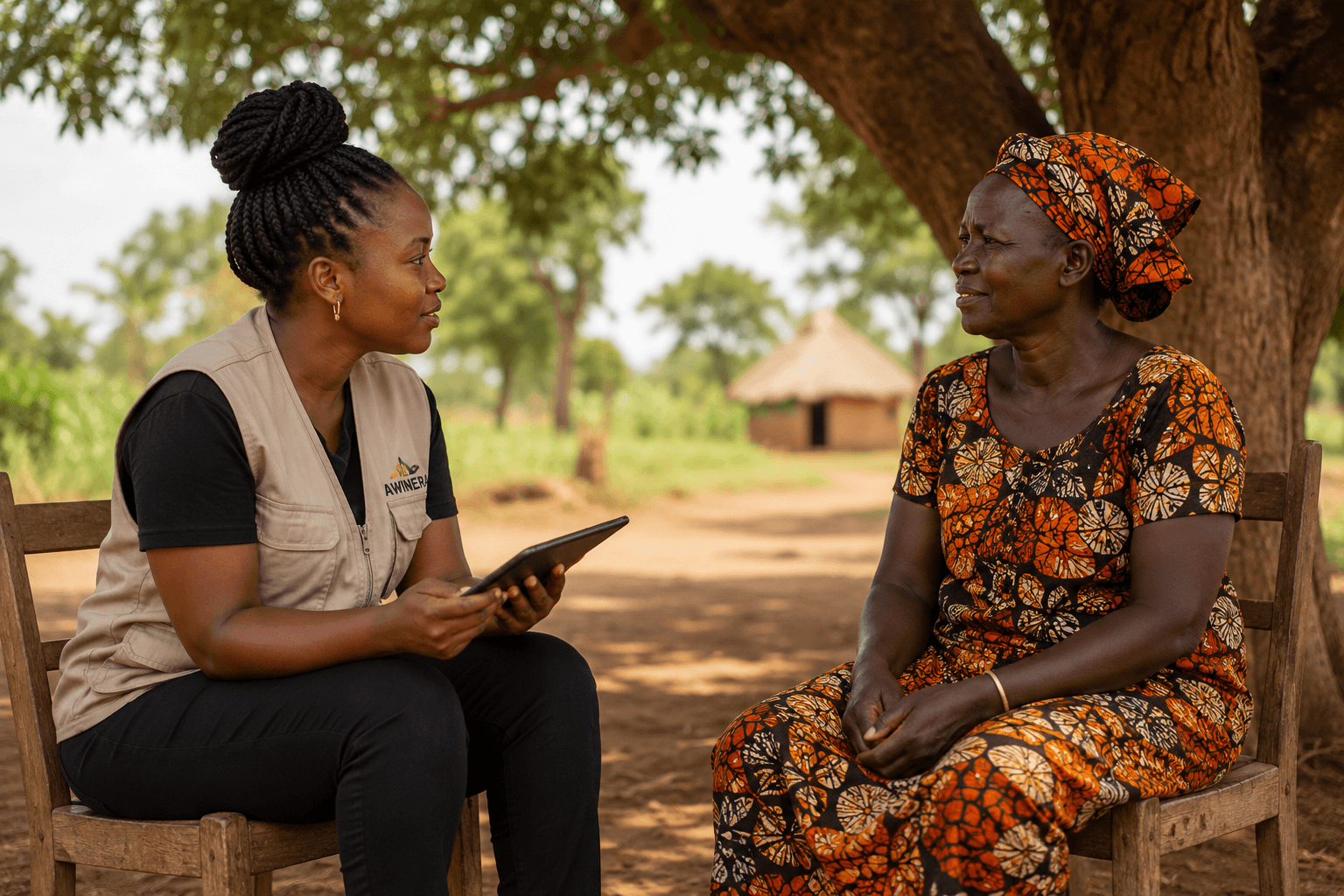
Household panel data was collected across multiple rounds during the COVID-19 pandemic period using phone-based surveys adapted for remote data collection. Confirmatory factor analysis validated the structure of resilience measurement tools. Women's dietary diversity was measured using the FAO Women's Dietary Diversity Score (WDDS) protocol. Regression analysis identified household and community-level determinants of dietary diversity and resilience scores.
Key Findings
Resilience measurement tools demonstrated acceptable validity under COVID-19 conditions, though some components showed reduced reliability in the crisis context, warranting methodological refinement. Women's dietary diversity declined significantly during the peak lockdown period, with the greatest impacts felt by female-headed households and those with limited access to markets. The findings contributed to global methodological guidance on resilience measurement in crisis settings.
Request the full research reportThematic Areas
More Projects
View all →Leveraging Contract Farming to Improve Refugee Resilience in Uganda
AWinERA Africa Ltd
Evaluation of NUSAF3 Economic Inclusion Interventions
NUSAF, World Bank
Gamified Savings as a Problem Gambling Intervention
Network of Impact Evaluation Researchers in Africa (NIERA)