

NUSAF3 Evaluation Findings Inform World Bank Social Protection Strategy
Key findings from AWinERA's rigorous evaluation of the NUSAF3 economic inclusion programme have been incorporated into the World Bank's updated social protection strategy for fragile and conflict-affected states in Sub-Saharan Africa.
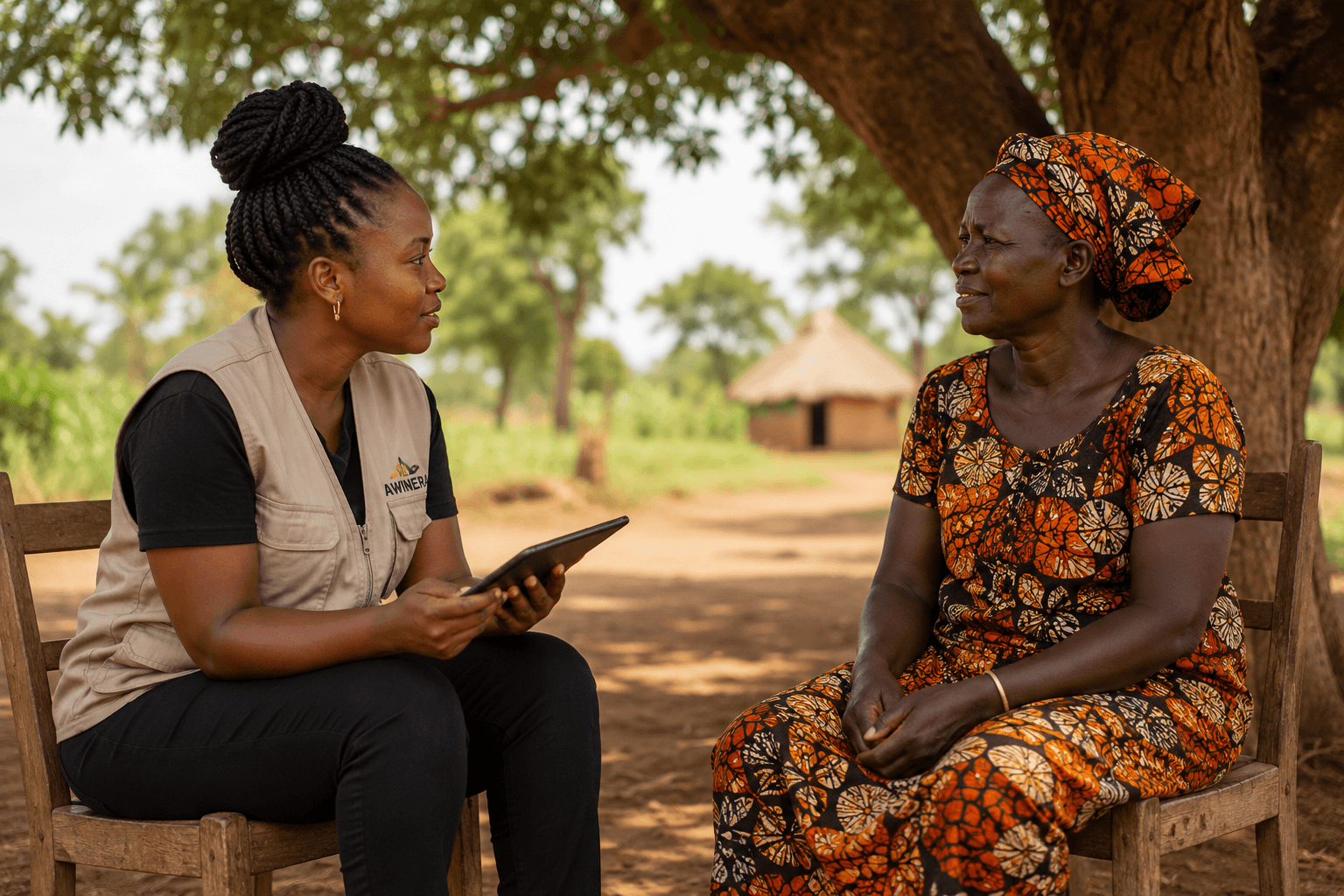
The Northern Uganda Social Action Fund Phase 3 (NUSAF3) represented one of Uganda's most ambitious social protection investments, targeting over 300,000 vulnerable households across the Acholi, Lango, Teso, Karamoja, and West Nile sub-regions. AWinERA Africa Ltd conducted a rigorous impact evaluation of the programme's economic inclusion component — a cash-plus intervention that combined unconditional cash transfers with livelihood support and community-based savings groups. The evaluation, commissioned by the World Bank and the Office of the Prime Minister, used a mixed-methods design combining a randomised controlled trial with qualitative household case studies. Results from a panel survey of 2,400 households revealed that NUSAF3 beneficiaries experienced a 34% increase in per capita consumption after 24 months, compared to a 12% increase in the control group. Female beneficiaries reported significantly higher dietary diversity scores and were 22 percentage points more likely to have made an independent financial decision in the past month. The programme also contributed to a measurable reduction in child labour rates in Karamoja — a region historically characterised by high rates of child engagement in artisanal mining and charcoal production. Key lessons from the evaluation have been incorporated into Uganda's National Social Protection Policy 2024–2029, and the World Bank has cited the AWinERA findings in its updated Social Protection Strategy for Sub-Saharan Africa.
“We believe that rigorous research, led by women, is one of the most powerful tools for sustainable development in Africa.”
Key Takeaways
- 1Evidence-based policy requires rigorous data collection and analysis across all regions of Uganda
- 2Gender-disaggregated data is essential for designing inclusive development programmes
- 3Collaboration between research institutions and government ministries strengthens policy uptake
AWinERA Africa Research Team
AWinERA Africa Ltd · Kampala, Uganda